
"flavor reference"
10000 article(s) found

Coffee should be tasted according to the overall feeling.
Flavor [flavor] is the overall impression of aroma, acidity, and mellowness, which can be used to describe the overall feeling of contrast coffee. Acidity [acidity] is the acidity and strong quality of all coffee grown on the plateau. The acidity referred to here is different from bitterness or sour (sour) and has nothing to do with pH, but promotes coffee to exert its functions of invigorating the mind and clearing the taste.

Three Definitions of Fine Coffee study mocha (Mocha)
Sitting in a cafe, flipping through recipes and reading coffee magazines, you will inadvertently come across a lot of Mocha, which is a simple word for mocha, but has many meanings. First, refers to coffee beans: the earliest mocha refers to a kind of coffee beans exported from the Yemeni port of Moka. Coffee pot: in terms of coffee-making utensils, mocha refers to a delicate and small mocha pot, which is a

Boutique Coffee Encyclopedia
Boutique Coffee beans Fine Coffee (specialty coffee) is also called specialty coffee selection coffee. It refers to coffee made from a small number of raw beans with excellent taste grown in an ideal geographical environment. Depending on the special soil and climatic conditions in which they grow, they have outstanding flavor. After strict selection and grading, this kind of coffee has a hard texture.
The relationship between coffee label and roasting degree of fine coffee
If you see Italian, Vienna, Nanyi and other signs on the coffee label, do not mistakenly think that the coffee beans have anything to do with the above place names-probably not at all, because traditionally, "Italy" and "Vienna" are synonymous with the degree of roasting (or blending), and it does not mean that they are coffee from Italy or Vienna (as mentioned above, the European continent does not fail.
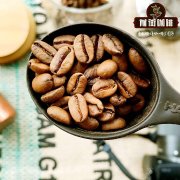
Coffee beans Moses net official website of Japanese purchasing agents which coffee beans can be purchased by Japanese blue bottle coffee
Professional coffee knowledge exchange more coffee bean information please follow the coffee workshop (Wechat official account cafe_style) to Blue Bottle Coffee (coffee shop assistant coffee beans), the most important thing is to calm down your mood and enjoy this cup of hand-brewed coffee carefully completed by the shop assistant. In addition, I hope that every guest can enjoy the aroma of coffee, and the specially built interior
What are the terms of coffee?
We often see some coffee terms in coffee books and coffee training, so what do these terms stand for? Acidity [acidity] is the acidity and strong quality of all coffee grown on the plateau. The acidity referred to here is different from bitterness or sour (sour), and has nothing to do with pH, but a function that promotes coffee to boost the mind and clear the taste.
What's the difference between mocha coffee and regular coffee?
Mocha coffee beans are grown in Ethiopia. Beans small and fragrant, strong sour alcohol taste, sweet moderate, special flavor. Washed coffee beans, is quite famous for high quality coffee, often single drink. But if you can blend coffee, it is an ideal blend of coffee flavor.◆ Origin: Ethiopia ◆ Baking method: City Roast ◆ Characteristics: 1. Taste: Micro
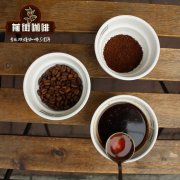
Burundian coffee history and flavor, hand data reference.
Professional coffee knowledge exchange more coffee bean information Please follow Coffee Workshop (Wechat official account cafe_style) Burundi (Burundi) has the most varied and successful coffee industry in the world, and has its own characteristics. Coffee in this country was introduced by Belgian colonists in 1930 and is now grown only on small farms. Unfortunately, many of these farms are engaged in frequent wars.
Coffee training knowledge terminology about fine coffee
We often see some coffee terms in coffee books and coffee training, so what do these terms stand for? Acidity [acidity] is the acidity and strong quality of all coffee grown on the plateau. The acidity referred to here is different from bitterness or sour (sour), and has nothing to do with pH, but a function that promotes coffee to boost the mind and clear the taste.

What's the difference between mocha and regular coffee?
Mocha coffee beans are grown in Ethiopia. Beans are small and fragrant, with strong sour and mellow taste, moderate sweetness and special flavor. Washed coffee beans are well-known high-quality coffee, often drunk on a single basis. However, if mixed coffee can be blended, it is an ideal comprehensive coffee with ideal flavor. ◆ Origin: Ethiopia Ethiopia ◆ baking method: City Roast ◆ characteristics: 1. Palate: micro

Baristas are required to take coffee terms known as coffee common sense
Flavor [flavor] is the overall impression of aroma, acidity, and mellowness, which can be used to describe the overall feeling of contrast coffee. Acidity [acidity] is the acidity and strong quality of all coffee grown on the plateau. The acidity referred to here is different from bitterness or sour (sour) and has nothing to do with pH, but promotes coffee to exert its functions of invigorating the mind and clearing the taste.

Coffee terms what do these terms stand for?
We often see some coffee terms in coffee books and coffee training, so what do these terms stand for? Acidity [acidity] is the acidity and strong quality of all coffee grown on the plateau. The acidity referred to here is different from bitterness or sour (sour), and has nothing to do with pH, but a function that promotes coffee to boost the mind and clear the taste.

What is boutique coffee?
Boutique Coffee beans Fine Coffee (specialty coffee) is also called specialty coffee selection coffee. It refers to coffee made from a small number of raw beans with excellent taste grown in an ideal geographical environment. Depending on the special soil and climatic conditions in which they grow, they have outstanding flavor. After strict selection and grading, this kind of coffee has a hard texture.

What is the term for boutique coffee?
We often see some coffee terms in coffee books and coffee training, so what do these terms stand for? Acidity [acidity] is the acidity and strong quality of all coffee grown on the plateau. The acidity referred to here is different from bitterness or sour (sour), and has nothing to do with pH, but a function that promotes coffee to boost the mind and clear the taste.
Fine Coffee Science interprets the name on the bag of coffee beans
Why do coffee beans have such a long name? Why is there a single item, deep roast and Italian style of coffee? How is this distinguished? When you walk into a coffee store or open the website of a professional coffee and bean seller, you may be confused by the dazzling variety of coffee names. Why do coffee beans have such a long name? Why is there a single item, deep roast and Italian style of coffee? How is this divided?

Coffee terminology Coffee professional words that must be understood when drinking coffee
Acidity [acidity] is the acidity and strong quality of all coffee grown on the plateau. Unlike bitterness or sour (sour), it has nothing to do with pH, but a refreshing and lively quality that promotes coffee to exert its functions of boosting the mind and clearing the taste. Aroma [smell] Aroma refers to the smell and smell of coffee after conditioning.
On the judgment standard of fine coffee
At present, there is no clear judgment standard of fine coffee in the international community. Here, we will briefly explain the standards of the American Fine Coffee Association and the basic standards of coffee producing countries.
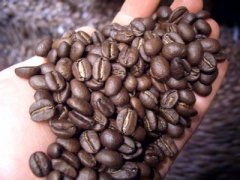
How does the label of coffee roasting distinguish between several degrees of roasting?
This is some study of coffee label. How to distinguish between several degrees of baking? If you see Italian, Vienna, Nanyi and other signs on the coffee label, do not mistakenly think that the coffee beans have anything to do with the above place names-probably not, because traditionally, "Italy" and "Vienna" are synonyms for the degree of roasting (or the way they are mixed).
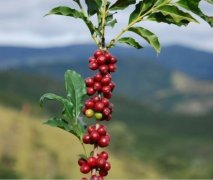
How does the label of coffee roasting distinguish the common sense of coffee
This is some study of coffee label. How to distinguish between several degrees of baking? If you see Italian, Vienna, Nanyi and other signs on the coffee label, do not mistakenly think that the coffee beans have anything to do with the above place names-probably not, because traditionally, "Italy" and "Vienna" are synonyms for the degree of roasting (or the way they are mixed).

How can the label of coffee roasting distinguish between several degrees of roasting?
This is some study of coffee label. How to distinguish between several degrees of baking? If you see Italian, Vienna, Nanyi and other signs on the coffee label, do not mistakenly think that the coffee beans have anything to do with the above place names-probably not, because traditionally, "Italy" and "Vienna" are synonyms for the degree of roasting (or the way they are mixed).